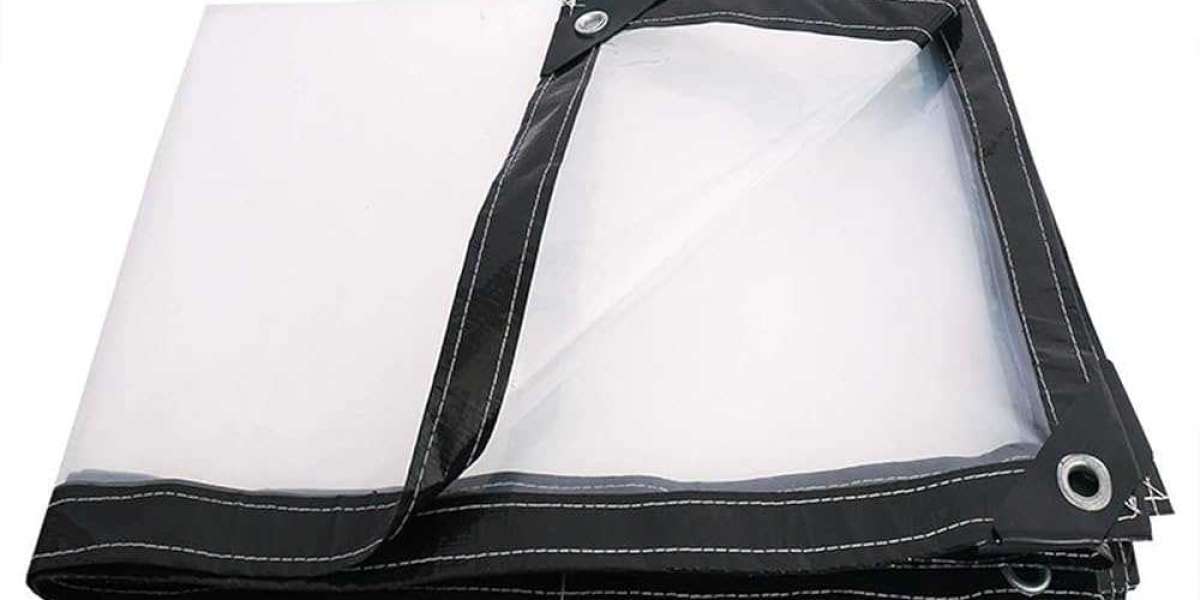

In construction, Tarpaulins serve as necessary tools for covering material, machinery, and work areas from unfavorable weather conditions outside. As a temporary shade, material cover, or weather shield, a quality Tarpaulin Sheet guarantees safety, long-lasting performance, and effectiveness in the construction site. Not all tarps, though, are made equal. Of the most widely used construction materials, PVC (Polyvinyl Chloride) and Polyethylene (PE) are among the most popular.
Both types of Tarpaulin Sheets offer unique advantages, and choosing between them can significantly affect performance, cost, and longevity. In this article, we’ll explore the key differences between PVC and Polyethylene Tarpaulins, their advantages, and how to select the right one for your construction needs.
The Role of Tarpaulin in Construction
Before comparing materials, it is important to note the relevance of Tarpaulin during construction. During a busy construction site, harsh weather and environmental conditions can interfere with operations. Rain, sun, dust, and debris all present dangers to building equipment and materials. Waterproof Tarpaulins serve as a great defender against these factors, and construction can proceed well and safely.
Tarpaulins are usually used in large sizes to:
- Protect building materials such as cement, sand, and timber
- Supply temporary roofing or coverings for workers
- Cover scaffolding to keep debris from falling
- Cover floors and exposed areas during construction
- Cover heavy machinery and tools from dust and moisture
The nature of the Tarpaulin Sheet dictates how effectively it can do these things, particularly under the harsh conditions of a building site.
Overview of PVC Tarpaulins
PVC Tarpaulins, with Polyvinyl Chloride as their content, are famous for being strong, flexible, and long-lasting. They are produced by applying a layer of PVC resin onto a polyester fabric backing, resulting in a solid, waterproof, and weather-resistant material.
Key Characteristics of PVC Tarpaulins
- Excellent Durability: PVC tarps are heavy-duty and resistant to tearing or stretching.
- Waterproof and Weatherproof: Ideal for outdoor use for extended periods of time.
- UV Resistant: Can resist long-term exposure to sunlight without breakdown.
- Fire Retardant: Most PVC tarps are fire-retardant treated to increase site safety.
- Easy Cleaning: Smooth finish makes it easy to maintain.
Applications in Construction
PVC Waterproof Tarpaulins suit applications such as:
- Temporary roofs or shelters
- Heavy machinery covers
- Scaffolding covers
- Material long-term storage covers
- Protective screens for painting or welding zones
Due to their strength, they are best suited for rugged and demanding conditions where reliability is paramount.
Introduction to Polyethylene Tarpaulins
Polyethylene (PE) Tarpaulins are constructed using strips of polyethylene film, which are laminated on both sides to make them waterproof. They are light in weight, flexible, and economical, and thus are among the most commonly used forms of Clear Tarpaulin Sheets in the construction industry.
Important Features of Polyethylene Tarpaulins
- Light Weight and Lightweight: Easy to handle and install, easy to shift from one place to another.
- Waterproof and UV Resistant: Highly effective against rain and sunlight.
- Economical: Less expensive than PVC, suitable for short-term use.
- Variety of Thicknesses: In a range of grades, from light-duty to heavy-duty.
- Reusable: Foldable and storable after use.
Common Applications in Construction:
PE Tarpaulin Covers are most often used for:
- Temporary material protection
- Floor and wall coverings when painting or renovating
- Short-term scaffolding wraps
- General-purpose weather barriers
Due to their adaptability and cost-effectiveness, Polyethylene Tarpaulins are a convenient choice for most general construction jobs.
Selecting the Appropriate Tarpaulin for Building Purposes
In order to select between PVC and Polyethylene Tarpaulins, keep the following points in mind:
Use Duration
For extended periods of use where the cover would be exposed for years or months, PVC Tarpaulin Sheets are the better option. With their great strength and UV resistance, they will last long and remain intact. For brief protection purposes like in early-stage construction or during transportation, Polyethylene Tarpaulin Covers are a cost-effective solution.
Weather Conditions
If your construction site experiences extreme weather heavy rain, wind, or strong sunlight a Waterproof Tarpaulin made of PVC will provide better resistance. PE tarps work well in mild or moderate conditions.
Budget Constraints
Budget plays a big role. Polyethylene Tarpaulins are more economical, making them ideal for projects with tight budgets or where covers are frequently replaced. PVC Tarpaulins, while more expensive, offer greater value for long-term investment.
Weight and Portability
Big Tarpaulins made of PVC may be heavy and need additional manpower to set up. On the other hand, PE tarps are light in weight and easy to handle, particularly for temporary covers.
Safety Standards
If fire-resistance materials are a need for your project, always go with PVC Tarpaulin Sheets. Their fire resistance provides an additional layer of protection, especially for welding areas or hot-heat conditions.
Benefits of Using Quality Tarpaulin Covers
Irrespective of material, it is worth spending money on good quality Tarpaulin Covers since it offers many advantages to construction companies:
- Material Protection: Prevents cement, wood, and steel from getting wet and damaged.
- Worker Safety: Eliminates slipping risks and shades workers.
- Operational Efficiency: Avoids delays through weather interruption.
- Longevity: Reusable tarps withstand multiple projects.
- Cost Savings: Reduces material loss and maintenance expenses.
When well-maintained, both PVC and Polyethylene Tarpaulin Sheets provide reliable protection to aid towards a safer and more effective construction site.
Maintenance and Care Advice
To help prolong the lifespan of your Tarpaulin, adhere to these crucial care routines:
- Clean Regularly: Dispose of dirt, mud, or oil with mild soap and water.
- Avoid Sharp Edges: Apply padding underneath the tarp when covering metal or rough surfaces.
- Store Properly: Fold and keep in a dry, shaded place to avoid mildew and UV breakdown.
- Inspect for Damage: Inspect seams, eyelets, and edges regularly. Treat small tears promptly.
Proper maintenance keeps your Waterproof Tarpaulins effective for a longer period and keeping your construction equipment protected.
Conclusion
Both PVC and Polyethylene Tarpaulins play critical functions in the building process. While Polyethylene Tarpaulins are light, economical, and ideal for temporary applications, PVC Tarpaulins are renowned for their extreme strength, toughness, and resistance to severe weather.
Selecting the appropriate Tarpaulin Sheet is based on the duration of the project, budget, and weather conditions. In cases of heavy-duty and prolonged use, PVC Tarpaulin Covers will be best suited. In temporary or economical projects, Polyethylene Tarpaulin Sheets provide good and adaptable cover.
Ultimately, both materials assist construction professionals in staying productive, safeguarding valuable assets, and ensuring on-site safety. Investing in the appropriate Tarpaulin either PVC or Polyethylene means investing in your construction project's success and longevity.