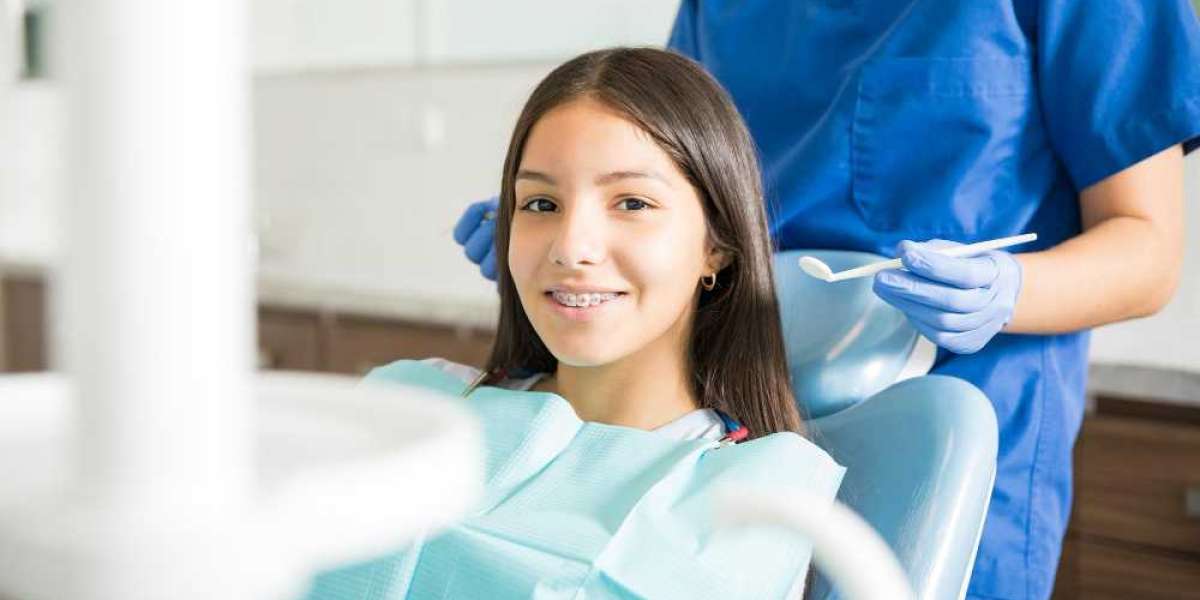

Good dental hygiene is essential at any age, but it's especially important during the teenage and adolescent years. This is a time when habits are forming, and the foundation for lifelong oral health is set. While brushing and flossing remain the cornerstone of dental care, there are other practices that can enhance oral health and prevent common issues such as cavities, gum disease, and bad breath.
The Importance of Oral Hygiene in Teen Years
Teenagers often experience significant changes in their oral health due to hormonal fluctuations, diet, and lifestyle choices. It's crucial to understand that maintaining a consistent oral care routine isn't just about aesthetics, it's about health. Poor oral hygiene can lead to severe problems such as tooth decay, gum disease, and even impact overall health. Proper dental care at this stage can make a world of difference in preventing future complications.
When it comes to brushing, it's important for teens to not only brush their teeth but also to pay attention to the areas between their teeth. Regular use of tools like interdental brushes can help clean these spaces effectively, ensuring that food particles and plaque are removed from hard-to-reach places that a toothbrush alone might miss.
Key Practices Beyond Brushing
1. Flossing: A Must-Do, Not an Option
While brushing removes plaque and food particles from the surfaces of teeth, flossing tackles the areas between teeth, where food and plaque tend to build up. Flossing is essential for preventing gum disease and cavities in the spaces where your toothbrush cannot reach. It is important to floss once a day, either in the evening or whenever it’s most convenient.
Teens should aim for proper technique by wrapping the floss around their fingers and gently sliding it between their teeth, making sure to curve it around each tooth in a C-shape. With consistent practice, flossing becomes an automatic and vital part of daily oral hygiene.
2. Rinsing with Mouthwash
Mouthwash can serve as an additional step in a teen’s oral care routine. A good mouthwash can help reduce bacteria, fight bad breath, and freshen up the mouth. It can also help strengthen teeth if it contains fluoride. Look for an alcohol-free mouthwash to avoid the drying effect of alcohol, which can harm the soft tissues of the mouth. Regular use of mouthwash can be particularly beneficial for those with braces, as it helps reach areas that are difficult to clean with a toothbrush.
3. Healthy Eating for Healthy Teeth
Diet plays a significant role in oral health. Teenagers often enjoy sugary snacks and drinks, which can lead to cavities and tooth decay. It's crucial to limit sugary foods and opt for snacks like fruits, vegetables, and nuts, which are not only nutritious but also help clean teeth naturally. Foods like apples, carrots, and celery can help scrub teeth and stimulate saliva production, which is essential for neutralizing acids in the mouth.
In addition, drinking plenty of water throughout the day helps wash away food particles and bacteria, reducing the risk of tooth decay. Teens should also avoid excessive consumption of acidic drinks like soda and fruit juices that can erode tooth enamel over time.
4. Regular Visits to the Dentist
Even with the best home care, professional dental cleanings and checkups are vital for maintaining oral health. Teens should visit the dentist at least twice a year for a routine exam and cleaning. Regular dental visits allow for early detection of potential problems, such as cavities, gum disease, or orthodontic issues that may need attention.
Dentists can also provide valuable advice on oral care and recommend products that are best suited for a teen’s unique dental needs, from toothpaste to orthodontic tools.
5. Protecting Teeth During Sports
Teens who participate in contact sports or activities that pose a risk for dental injury should always wear a mouthguard. A custom-fitted mouthguard protects teeth from chipping, breaking, or being knocked out. It also helps prevent injuries to the soft tissues of the mouth, such as the gums and lips.
6. The Role of Orthodontics
Many teens will have braces or other orthodontic appliances to correct alignment issues. Maintaining proper oral care becomes even more important when wearing braces, as food particles and plaque can easily get trapped. Brushing with a soft-bristled toothbrush and using specialized tools like floss threaders can help keep braces clean and prevent gum disease.
Building Healthy Habits Early
Teen years are formative years for dental health. It’s important to encourage teens to adopt habits that will support their long-term oral well-being. These habits include regular brushing, flossing, and making informed decisions about diet and lifestyle choices. By reinforcing the importance of oral hygiene and providing the necessary tools, parents and caregivers can help teens build a foundation for healthy teeth that lasts a lifetime.
Conclusion
Maintaining excellent oral hygiene goes beyond just brushing. For teens, it involves a combination of practices such as flossing, using mouthwash, eating a balanced diet, and making regular dental visits. By integrating these habits into daily routines, teens can avoid common dental problems and keep their smiles healthy and bright. Empowering them with the right tools and knowledge now will set them up for a lifetime of great oral health.