The Integrated Cooker: A Comprehensive Guide to Modern Cooking Solutions
The advancement of kitchen appliances has actually changed food preparation and cooking techniques, making meal preparation more effective and satisfying. Among these developments, the integrated cooker sticks out as a flexible and space-saving addition to contemporary kitchen areas. This post looks into the various aspects of integrated cookers, consisting of types, benefits, features, and a contrast with traditional cooking approaches.
What is an Integrated Cooker?
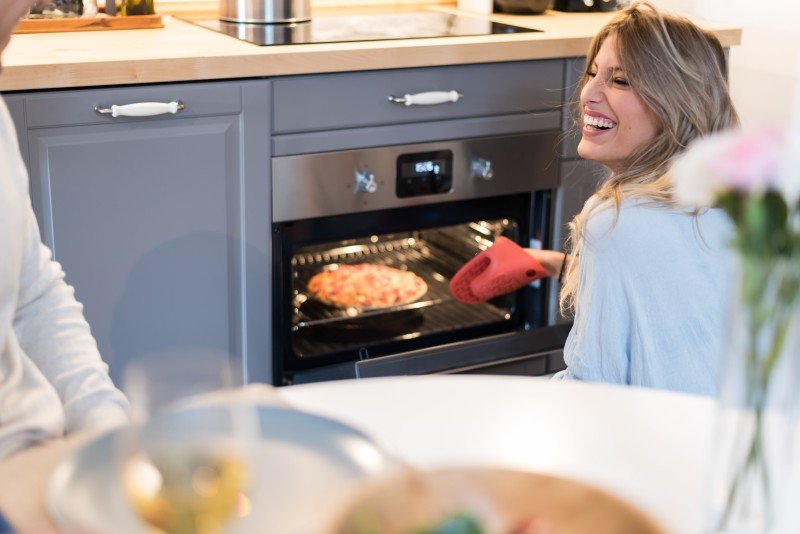
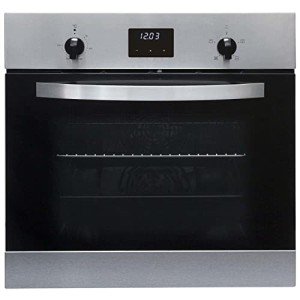
An integrated cooker is a compact cooking home appliance that integrates several cooking functions into one system. Often built into kitchen cabinetry, these cookers are designed to conserve area while enhancing kitchen looks. They normally integrate a variety of performances, such as baking, grilling, steaming, and even pressure cooking.
Secret Features of Integrated Cookers
- Multi-Functionality: Integrated cookers can perform different cooking tasks, eliminating the requirement for multiple appliances.
- Space-Saving Design: These cookers fit flawlessly into kitchen systems, making them ideal for contemporary homes with minimal space.
- Advanced Technology: Many integrated cookers come equipped with smart technology, such as programmable settings, touch-screen controls, and connection choices.
- Energy Efficiency: Built with contemporary products and style, they often consume less energy compared to standard cooking techniques.
Types of Integrated Cookers
The market uses numerous kinds of integrated cookers, each with its unique set of features and functionalities. Here are the most typical types:
| Type | Description | Example Use |
|---|---|---|
| Built-in Ovens | Ovens that are suited wall systems or cabinets | Baking bread, roasting meats |
| Induction Hobs | Cooktops that use electro-magnetic energy to heat pots and pans | Quickly boiling water, sautéing |
| Steam Ovens | Appliances that cook food utilizing steam for much healthier outcomes | Steaming veggies, fish |
| Microwave Ovens | Integrated microwaves for fast heating and cooking | Reheating leftovers, making popcorn |
| Combination Ovens | A mix of traditional and steam cooking technologies | Baking while guaranteeing moisture retention |
Advantages of Using Integrated Cookers
Integrated cookers provide a host of benefits over conventional cooking tools. Below are some of the key benefits:
- Space Efficiency: Ideal for compact kitchen areas, integrated cookers use vertical spaces efficiently.
- Streamlined Cooking Process: With multiple functions offered, users can shift from one cooking technique to another with very little effort.
- Boosted Aesthetics: Many integrated cookers can be found in streamlined designs that blend well with modern-day kitchen design.
- Improved Cooking Control: Programmable functions allow for accurate cooking, guaranteeing much better meal results.
Integrated Cookers vs. Traditional Cooking Appliances
When thinking about meal preparation options, it is necessary to weigh the advantages of integrated cookers against conventional cooking appliances. Below is a contrast chart:
| Feature | Integrated Cooker | Standard Appliances |
|---|---|---|
| Area Efficiency | High | Lower |
| Multi-Functionality | Yes | No (requires several appliances) |
| Energy Consumption | Typically lower | Can be higher |
| Cooking Speed | Faster (specifically with induction) | Varies |
| Style | Modern and smooth | Varies widely |
The integrated cooker is a forward-thinking home appliance that meets the demands these days's fast-paced way of life. Its multiplicity of functions, space-saving design, and streamlined visual appeals make it a worthwhile financial investment for any modern-day kitchen.
For those aiming to conserve time, area, and effort in meal preparation, integrated cookers offer an excellent option that improves the cooking experience while providing delicious, well-prepared meals.
Regularly Asked Questions (FAQs)
1. What is the average cost of an integrated cooker?
The rate of integrated cookers can differ extensively, generally varying from ₤ 500 to ₤ 3,000 depending on features, brand name, and size.
2. Just how much maintenance do integrated cookers need?
Maintenance often consists of regular cleaning of surfaces and checking for any software updates if they feature smart technology. It's recommended to follow the manufacturer's standards.
3. Can I change my existing oven with an integrated cooker?
Yes, integrated cookers can often change standard ovens, however it is vital to seek advice from with a professional to make sure compatibility with your kitchen layout.
4. Are integrated cookers hard to install?
Setup can be uncomplicated for those with DIY experience. However, working with a qualified service technician is suggested to ensure appropriate setup.
5. Who benefits most from utilizing an integrated cooker?
Families, time-pressed individuals, and those residing in compact apartments especially benefit from the multi-functionality and space-saving design of integrated cookers.
In this age of convenience and effectiveness, integrated cookers are redefining how we approach food preparation. Whether you are a skilled chef or a cooking novice, integrating this powerful home appliance into your kitchen can significantly enhance your culinary experience.