
Introduction
Performing Umrah is a deeply spiritual journey for Muslims worldwide, and choosing the right time to undertake this pilgrimage can significantly impact the experience. Factors such as weather conditions, crowd levels, and pricing play a crucial role in planning a smooth and fulfilling Umrah trip. For those seeking Umrah packages in Birmingham or across the UK, understanding the best months for travel ensures a hassle-free pilgrimage. This comprehensive guide compares different periods of the year, helping you select the ideal time for your spiritual journey with Al Hijaz Tours or other trusted Umrah travel agencies in Birmingham.
Understanding Umrah Seasons
Unlike Hajj, which has fixed dates in the Islamic calendar, Umrah can be performed at any time of the year. However, certain months offer more favorable conditions in terms of climate, affordability, and crowd control. The best months for Umrah can be broadly categorized into peak seasons (high demand) and off-peak seasons (lower demand). Below, we break down each period’s advantages and challenges.
Peak Season for Umrah: Ramadan and Hajj Period
1. Ramadan – The Holiest Month
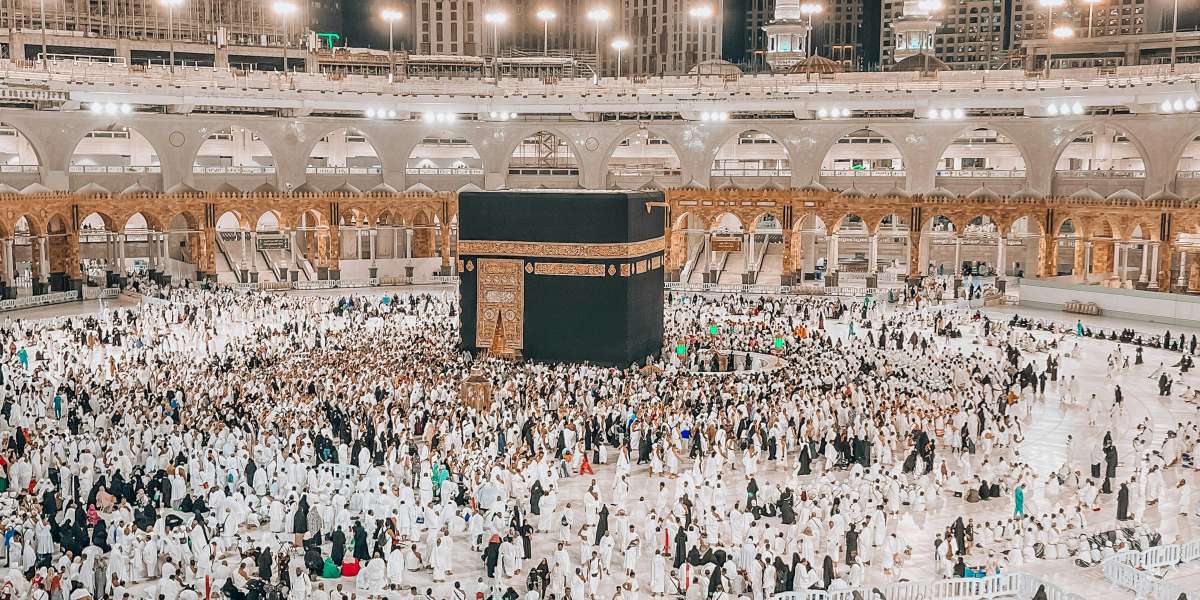
Ramadan is the most sought-after time for Umrah due to its immense spiritual rewards. Many Muslims combine fasting and Umrah, believing that prayers during this month are highly blessed. However, this period also sees the highest number of pilgrims, leading to crowded holy sites and increased prices. Umrah packages UK during Ramadan are often more expensive, with hotels near Masjid al-Haram and Masjid an-Nabawi booked months in advance. If you prefer a quieter experience, Ramadan may not be the best choice, but for those seeking divine blessings, it remains unmatched.
2. Hajj Season (Dhul-Hijjah) – A Mixed Experience
The Hajj month (Dhul-Hijjah) is another peak period, especially the first ten days, which include Eid al-Adha. While Umrah during Hajj is possible, Makkah becomes extremely crowded with millions of Hajj pilgrims. Hajj and Umrah tours during this time may overlap, leading to higher costs and limited accommodations. However, performing Umrah just before or after Hajj can be rewarding, as the spiritual atmosphere is unparalleled.
Off-Peak Seasons: Best for Comfort and Affordability
3. Winter Months (November to February) – Ideal Weather
For those prioritizing pleasant weather and manageable crowds, winter is the best time for Umrah. Temperatures in Makkah and Madinah range between 20°C to 30°C, making tawaf and sa’i much more comfortable. Since this period falls outside major Islamic holidays, affordable Umrah packages are widely available. UK-based pilgrims can find customized Umrah packages with better hotel deals and flight options.
4. Spring Months (March to April) – Moderate Conditions
Spring offers a balance between moderate weather and reasonable pricing. While temperatures begin to rise, they remain tolerable compared to the scorching summer heat. Crowds are relatively smaller, making it easier to perform rituals without excessive waiting. Family Umrah packages UK during this period are a great option for those traveling with children or elderly relatives.
5. Autumn Months (September to October) – Post-Summer Relief
After the intense summer heat, autumn brings slightly cooler temperatures, making it another favorable time for Umrah. The crowds are thinner compared to Ramadan, and exclusive Umrah packages with premium services become more accessible. Pilgrims can enjoy a peaceful spiritual journey without the overwhelming rush.
Summer Months (May to August) – Challenging but Budget-Friendly
6. Extreme Heat but Lower Costs
Summer in Saudi Arabia brings extreme temperatures, often exceeding 40°C, making outdoor rituals physically demanding. However, this is also the cheapest time for Umrah, with budget-friendly Umrah packages UK offering significant discounts. Early morning or late-night rituals can help avoid peak heat. If you can endure the weather, summer provides an economical option with fewer crowds.
Comparing Crowd Levels Throughout the Year
Crowd fluctuations significantly impact the Umrah experience. Here’s a quick comparison:
Highest Crowds: Ramadan, Hajj season, and school holidays.
Moderate Crowds: Spring and autumn months.
Lowest Crowds: Mid-summer and late winter.
For a serene pilgrimage, consider traveling during off-peak months. Personalized Umrah packages can be tailored to avoid peak times while ensuring comfort.
Pricing Trends for Umrah Packages
Umrah costs vary based on demand, flight prices, and hotel rates. Here’s a general pricing breakdown:
Most Expensive: Ramadan, Hajj season, and Islamic holidays.
Mid-Range: Spring and autumn.
Most Affordable: Summer and late winter.
UK pilgrims can explore complete Umrah travel packages that bundle flights, hotels, and transfers for cost efficiency.
Best Months for Families and Elderly Pilgrims
Families and elderly pilgrims should prioritize comfort, opting for winter or spring when temperatures are mild and crowds are manageable. Family Umrah packages in Birmingham often include kid-friendly accommodations and guided assistance for a stress-free journey.
Conclusion: Choosing the Right Time for Your Umrah
Selecting the best month for Umrah depends on your priorities—spiritual rewards, budget, or comfort. While Ramadan offers unmatched blessings, off-peak seasons provide affordability and ease. Al Hijaz Tours and other Umrah travel agencies in Birmingham offer tailored packages for every preference. Whether you seek guided Hajj tours UK, cheap Hajj packages UK, or exclusive Umrah deals, planning ahead ensures a fulfilling pilgrimage. For Hajj 2025 or Umrah trips, booking early with a reputable agency guarantees a seamless experience.
By analyzing weather, crowds, and pricing, you can make an informed decision and embark on a spiritually enriching journey to the holy cities of Makkah and Madinah.